Road geotechnics forms the critical foundation of every successful transportation infrastructure project in Porirua, bridging the gap between natural ground conditions and engineered pavement performance. This specialised discipline encompasses the investigation, analysis, and design of earthworks, subgrade preparation, and pavement structural layers to ensure long-term stability and safety. In a city characterised by a dynamic coastal environment and steep terrain, understanding the mechanical behaviour of soils and aggregates under traffic loading is not just a technical requirement but a fundamental necessity for protecting public investment. The integration of geotechnical principles with pavement engineering allows practitioners to mitigate risks such as settlement, slope instability, and moisture-induced deterioration that can compromise road networks.
Porirua's geological setting presents unique challenges that demand rigorous geotechnical assessment. The region features a complex mix of greywacke bedrock, alluvial deposits in valley floors, and wind-blown loess soils on hillslopes, all of which respond differently to loading and environmental changes. Coastal areas near Porirua Harbour expose roads to saline groundwater and potential liquefaction hazards during seismic events, while the hilly suburbs of Whitby and Aotea require careful cut-and-fill analysis to prevent retaining wall failures. Expansive clay soils in some localities undergo significant volume changes with seasonal moisture fluctuations, leading to pavement cracking if not properly addressed during the CBR study for road design phase. These conditions make site-specific geotechnical investigation indispensable for any road project.
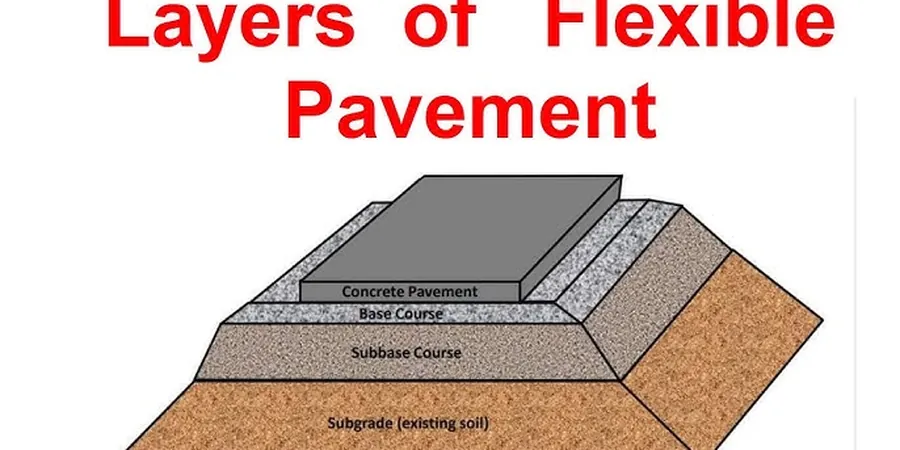
The regulatory framework governing road geotechnics in New Zealand is anchored in the NZ Transport Agency Waka Kotahi specifications, particularly the NZTA M/4 Specification for Pavement Construction and the NZGS Geotechnical Guidelines. These documents mandate minimum subgrade strength criteria, compaction standards, and testing frequencies that all projects must satisfy. For Porirua City Council assets, the Land Development and Subdivision Standards deliver additional local requirements, including specific drainage provisions for the region's high-rainfall environment. Compliance with the New Zealand Building Code Clause B1 (Structure) and the Resource Management Act 1991 ensures that road designs account for natural hazards such as earthquakes and flooding, which are particularly relevant given Porirua's position within the Wellington seismic zone.
Road geotechnical works are essential across a wide spectrum of projects in Porirua, from greenfield residential subdivisions in Aotea to rehabilitation of arterial routes like Titahi Bay Road. The design of flexible pavement design solutions relies heavily on accurate subgrade characterisation to determine appropriate granular layer thicknesses and material specifications. Similarly, rigid pavement design for bus depots, industrial yards, and high-stress intersections demands thorough evaluation of ground conditions to prevent curling and joint faulting. Other applications include slope stability assessments for coastal roads, retaining wall design for hillside cuttings, and stormwater infiltration systems that must coexist with the structural pavement layers. Each project type requires a tailored geotechnical approach that considers both immediate construction conditions and long-term performance.
Questions and answers
What is road geotechnics and why is it important for Porirua?
Road geotechnics applies soil mechanics and engineering geology to the design and construction of road pavements, embankments, and subgrades. In Porirua, it is vital due to variable ground conditions including soft alluvial soils, expansive clays, and seismic hazards that can cause pavement failure if not properly addressed through investigation, testing, and engineered earthworks.
What geotechnical investigations are required before designing a road in Porirua?
A comprehensive investigation typically includes boreholes, test pits, and laboratory testing to determine soil classification, strength parameters, and moisture sensitivity. CBR testing is essential for subgrade assessment, while in-situ density and consolidation tests inform earthwork specifications. Porirua's coastal and hillside locations may also require slope stability and liquefaction assessments.
How do New Zealand standards influence road geotechnical design in Porirua?
NZTA Waka Kotahi specifications and NZGS guidelines set the framework for subgrade preparation, compaction, and pavement layer design. Porirua City Council's subdivision standards add local requirements for drainage and earthworks. These regulations ensure roads meet performance criteria for the region's seismic activity, high rainfall, and variable soil conditions.
What are common geotechnical problems affecting roads in the Porirua area?
Common issues include settlement in filled areas, slope instability along coastal and hillside routes, and pavement cracking from expansive clay soils. Poor drainage can lead to subgrade softening and loss of bearing capacity, while seismic shaking poses liquefaction risks in saturated sandy deposits near Porirua Harbour and stream valleys.