Ground improvement in Porirua encompasses a suite of geotechnical techniques designed to enhance the engineering properties of soils and fill materials, ensuring they can safely support foundations, pavements, and earth structures. In a region where flat, buildable land is at a premium and much of the urban development sits on variable coastal and alluvial deposits, these methods are not merely optional—they are often fundamental to project viability. From residential subdivisions in Aotea to commercial hubs in the CBD, understanding and mitigating ground risk is the first step toward durable, settlement-free construction.
Porirua's geology presents a complex mosaic shaped by its dynamic landscape. Much of the city is underlain by greywacke bedrock of the Torlesse Composite Terrane, but the valleys and coastal margins are filled with Quaternary sediments including soft estuarine silts, peat layers, and loose alluvial sands. The Te Awarua-o-Porirua Harbour arms have deposited compressible marine clays that can exhibit significant consolidation settlement under load. Additionally, areas of reclaimed land and undocumented fill—common around the city centre and older industrial zones—introduce risks of differential settlement and poor bearing capacity. These conditions make ground improvement a critical pre-construction phase for any significant structure.
The regulatory framework governing ground improvement in Porirua is rooted in the New Zealand Building Code, specifically Clause B1 (Structure) and the verification methods provided by Acceptable Solutions and Verification Methods for New Zealand Building Code Clause B1, which references NZS 3604:2011 and NZS 1170 series for structural design actions. For geotechnical works, MBIE's Module 6 of the Building Code Handbook and the New Zealand Geotechnical Society's guidelines on ground improvement are key references. Porirua City Council's District Plan also imposes land use consent requirements where earthworks exceed specified thresholds or where works are within identified hazard zones, including liquefaction-prone areas mapped after the Kaikōura earthquake sequence. Compliance with the Resource Management Act 1991 is mandatory for any discharge or disturbance that may affect the coastal marine area.
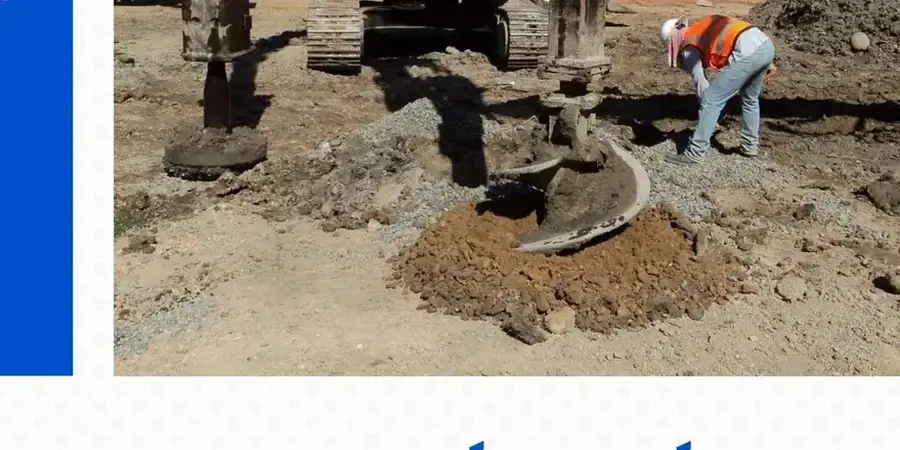
Projects requiring ground improvement in Porirua span a wide range. Residential developments on sloping sites often need densification of fill or reinforcement of cut platforms. Light commercial buildings on the harbour fringe routinely call for stone column design to transfer loads through soft clays to more competent strata, reducing settlement and providing drainage paths for rapid consolidation. Infrastructure projects, including road embankments and wastewater treatment facilities, frequently employ vibrocompaction design to densify loose granular soils and mitigate liquefaction risk in a seismically active environment. Even smaller-scale works like retaining walls and tank foundations can demand targeted improvement to meet bearing capacity and serviceability criteria under the ultimate and serviceability limit states defined by NZS 1170.5 for seismic actions.
Available services
Questions and answers
What is ground improvement and when is it necessary in Porirua?
Ground improvement refers to engineered methods that modify soil properties to increase bearing capacity, reduce settlement, or mitigate liquefaction. In Porirua, it becomes necessary when site investigations reveal soft clays, loose sands, peat, or uncontrolled fill that cannot support proposed loads within tolerable settlement limits, particularly in areas near the harbour or on reclaimed land where natural soils are weak.
How do local soil conditions influence the choice of ground improvement technique?
Porirua's soils vary from compressible estuarine silts to loose alluvial sands. Soft, cohesive soils often respond well to stone columns for drainage and reinforcement, while loose granular deposits are ideal candidates for vibrocompaction to increase density. The presence of a high groundwater table and proximity to sensitive marine environments also steer the selection toward low-vibration, minimal-spoil methods.
What regulations apply to ground improvement works in Porirua?
Works must comply with the New Zealand Building Code Clause B1, relevant parts of NZS 3604 and NZS 1170, and the Porirua City Council District Plan. Earthworks exceeding volume or depth thresholds, or those in liquefaction hazard zones, require resource consent. Geotechnical design reports must demonstrate compliance with MBIE guidance and often require peer review for complex sites.
Can ground improvement eliminate liquefaction risk completely in Porirua?
While no method can ensure absolute elimination of liquefaction risk, properly designed ground improvement such as vibrocompaction or stone columns can significantly reduce the potential by densifying loose sands or providing drainage to dissipate pore pressures. The residual risk is managed through performance-based design, with acceptance criteria typically tied to allowable settlements and post-earthquake functionality as defined in NZGS guidelines.